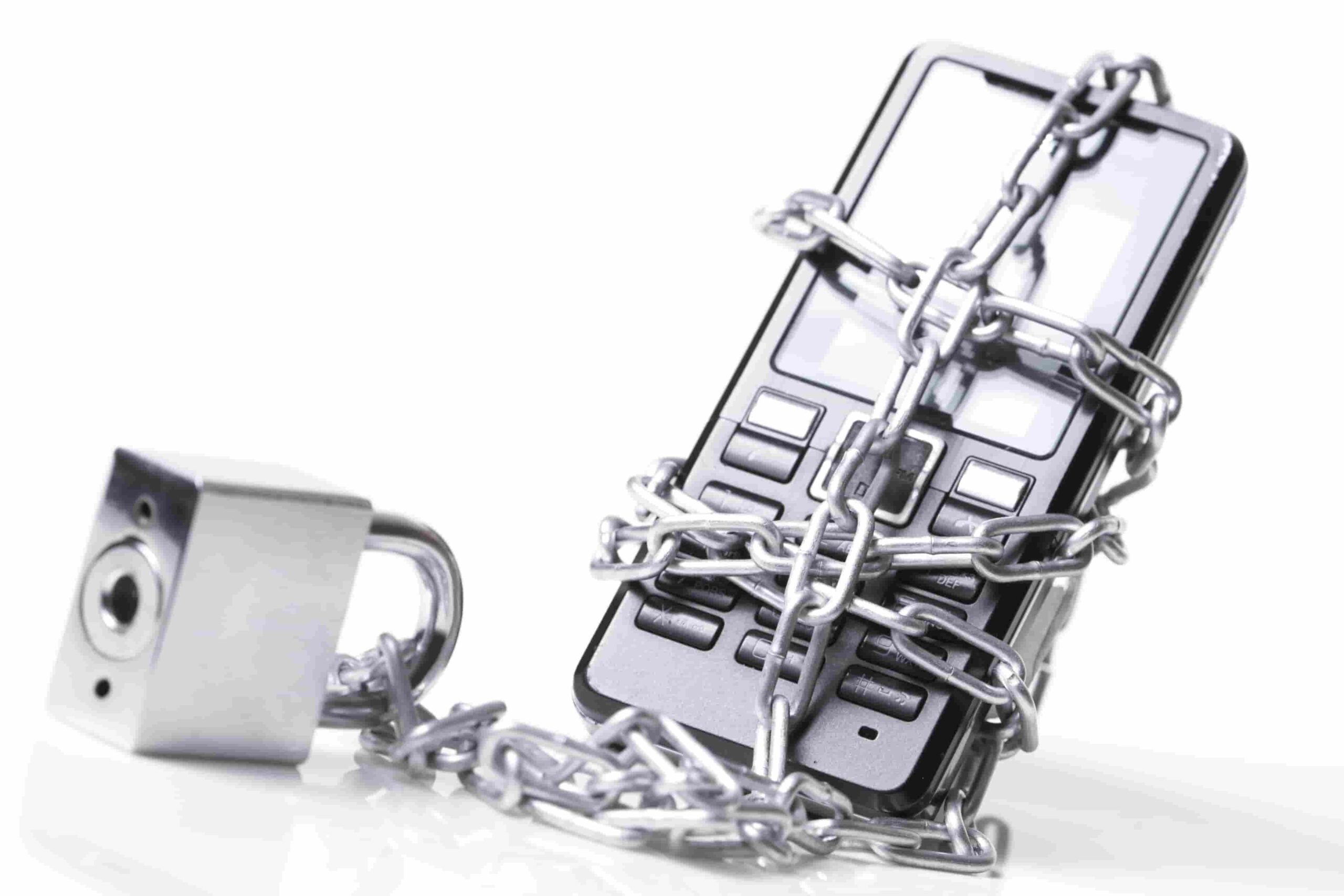
locked up cellphone during criminal trials

The question here is: how long can the government keep your cell phone when there is an investigation but no charges, indictment, or arrest? We’ll try to answer this question based on a current case dealing with these issues.

Example Case

The My Pillow Guy, Mike Lindell, who is a believer in election fraud, had a warrant executed against him, and his cell phone was seized. However, he was not charged with any crimes, and he alleged this was a witch hunt.

Lindell asked for the following:

  1. a -3- declaration that the defendants’ actions violated his First, Fourth, and Fifth Amendment rights;
  2. a determination that the warrant is invalid;
  3. an order requiring the return of his cell phone pursuant to Federal Rule of Criminal Procedure 41(g) as well as any data seized from it;
  4. a temporary restraining order prohibiting the defendants from attempting any access to the data on the cell phone;
  5. an order requiring the defendants to immediately provide him with a copy of the affidavit supporting the warrant; and
  6. the recovery of attorney’s fees, costs, and expenses.

One day after filing his complaint (eight days after his phone was seized), Lindell moved for a temporary restraining order seeking the return of his phone and data.

Outcome

The appellate court did not buy most of Lindell’s arguments. However, the court said the government cannot hold onto a person’s cell phone forever if they are not charging them with a crime. The court said cell phones are different than other seized items because, today, cell phones are an integral part of our daily lives. The court said the record was not well developed by the lower court and it must have a hearing to determine why the government needs to maintain Lindell’s cell phone if criminal charges are not forthcoming.

Call Brain Zeiger to hire him as your Philadelphia criminal defense lawyer.

With over 25 years of experience, Brian J. Zeiger draws on his knowledge and insight in criminal defense and civil rights to help those confronting an unjust criminal justice system. Mr. Zeiger has represented clients facing serious charges in state and federal courts. He has also represented clients in civil rights claims against police departments and the government in cases involving police misconduct, police brutality, false arrest, malicious prosecution, prison misconduct, prison denial of medical care, and prison medical malpractice. Expertise.com recognized Mr. Zeiger as one of the Best DUI Lawyers in Philadelphia in 2022. He is a highly sought-after criminal defense attorney who has been asked to provide training to fellow lawyers on topics such as trial advocacy, post-conviction relief, and driving-under-the-influence laws. He also served as a Hearing Officer for The Disciplinary Board of the Supreme Court of Pennsylvania.

With over 25 years of experience, Brian J. Zeiger puts his knowledge and insight in criminal defense and to help those confronting an unjust criminal judicial system.

Education: B.S.B.A. Accounting & Finance from Washington University of St. Louis, M.B.A. from Temple University, and J.D. from Temple University School of Law

Awards: Super Lawyer in the areas of Criminal Defense, White Collar, and Civil Rights, America’s Top 100 Criminal Defense Attorneys Recipient Award, National Trial Lawyers Top 100 Trial Lawyers and Top 40 Under 40, Client Satisfaction Award and 10 Best Attorneys by the American Institute of Criminal Defense Attorneys, Attorney and Practice Magazine’s Top 10 Criminal Defense Attorney – Philadelphia, and National Association of Distinguished Counsel – Nation’s Top 1% – Criminal Defense

Admissions: Supreme Court of New Jersey, United States District Court for the District of New Jersey, Supreme Court of Pennsylvania, United States District Court for the Eastern District of Pennsylvania, United States District Court for the Western District of Pennsylvania, United States District Court for the Middle District of Pennsylvania, United States District Court for the Northern District of Ohio, United States District Court for the Western District of New York United States Court of Appeals for the Third Circuit, Supreme Court of the United States