

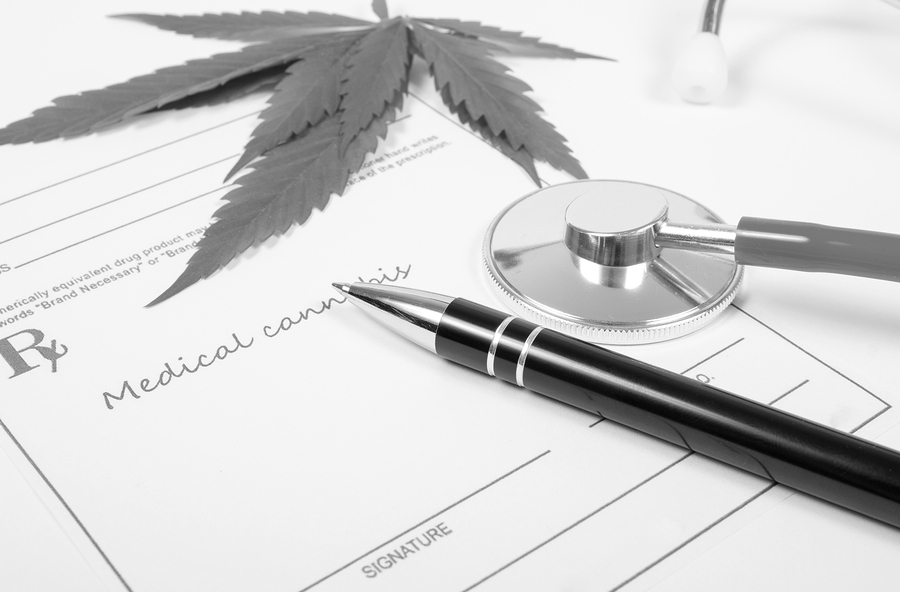
Medical marijuana is a controversial issue that has created a new and developing area of law. Because DUI laws vary widely with respect to marijuana, it is important to hire an experienced attorney if you are charged with DUI as a result of medical marijuana.
Across the country, medical marijuana laws fall into a few general categories:
- 9 states have zero tolerance laws for both THC and its metabolites. (Metabolites are the chemical result of marijuana being processed by the body. Because they occur later in the metabolization process, they appear on blood and urine tests later after use. A positive test for THC indicates more recent use than a positive test for metabolites.)
- 3 states have zero tolerance for THC, but no restrictions on metabolites.
- 5 states have specific limits for marijuana use while driving. (These are known as “per se” limits, by which the law infers that a driver was impaired if he or she was found to be above the specified limit.)
- Colorado has a “reasonable inference” law for THC.
Pennsylvania has zero tolerance laws for certain specified drugs. However, the possession and use of marijuana are legal for medical purposes. The Commonwealth has therefore set a per se limit of one nanogram of THC per milliliter of blood.
The Controversy Surrounding Per Se Limits
The most basic problem with marijuana impairment laws is that there is simply not any research to indicate what a standard impairment level might be. Alcohol impairment has been studied extensively for decades, and the .08 impairment level has been repeatedly corroborated by the scientific method. Marijuana is different:
- Unlike alcohol, which dissolves in water, THC dissolves in fat. Fatty tissues – and the brain in particular – absorb THC readily.
- THC blood levels do not uniformly rise and fall based on the amount of THC entering and leaving bodily fluids. This makes it difficult to correlate impairment to the amount of THC in a blood sample.
- Chronic THC users store the chemical in fatty tissues. Because THC is so slow to absorb, it can leach into the body for weeks after the user last smoked. This, too, is not an accurate metric of impairment. (It is also different from chronic alcohol users, as alcohol is not stored in the body.)
For all these reasons, many opponents have questioned the validity of “per se” limits for medical marijuana in driving impairment laws. One Denver attorney claimed that Colorado’s five nanogram limit was “picked out of thin air by politicians”. Indeed, there is not a solid scientific foundation to support a five nanogram limit – or even a one nanogram limit, such as Pennsylvania’s.
Contact an Experienced Philadelphia DUI Lawyer Today
If you have been charged with driving under the influence of medical marijuana, alcohol, or any other substance, contact the Zeiger Firm. Call (215) 546-0340 today to schedule your consultation. Attorney Brian Zeiger will fight for you to ensure the justice system treats you fairly.