
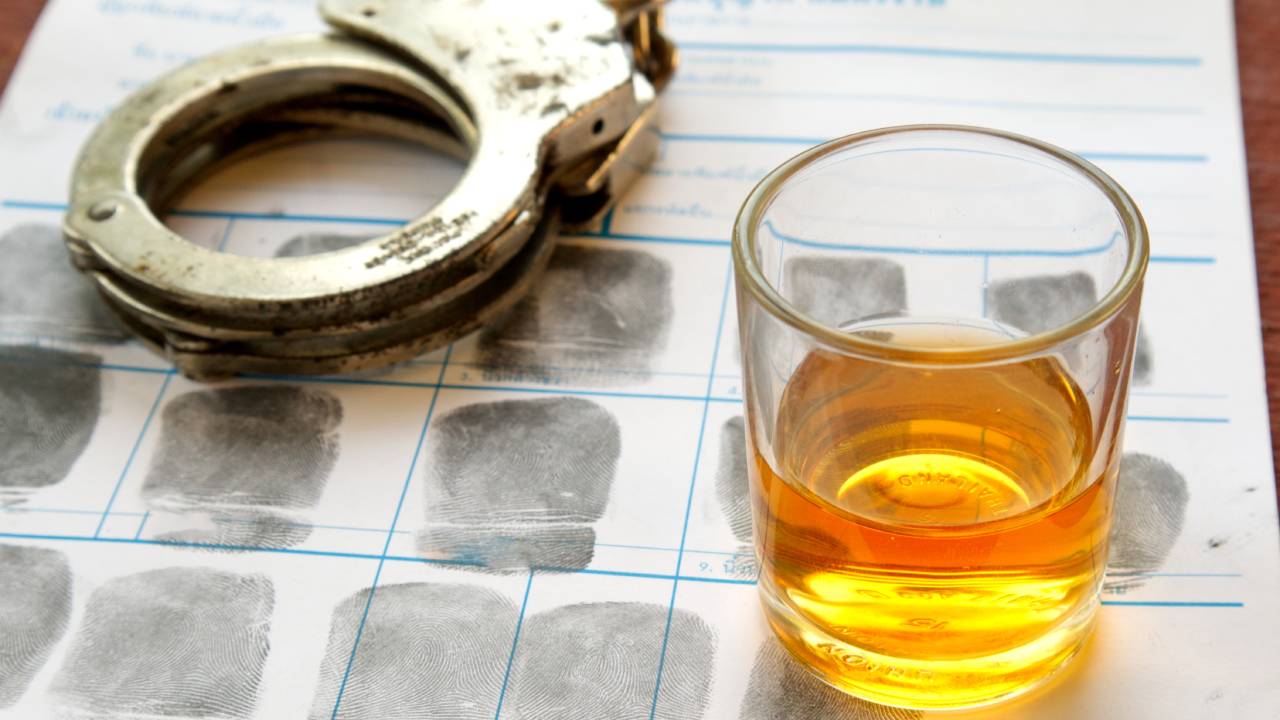
According to the Pennsylvania Department of Transportation (DOT), there were 52,636 arrests on suspicion of driving under the influence (DUI) made in our state during 2014. When police pull a vehicle over and suspect that the driver is under the influence of drugs or alcohol, they conduct an investigation just as they would if they were investigating any other type of crime. While a traffic stop may seem like a relatively low-level interaction with the police, law enforcement officers are constantly on the lookout for illegal activity and are trained to spot signs of intoxication or suspicious behavior. Many people who are arrested for DUI after a traffic stop are surprised because they believed that they were simply having a conversation with an officer, while in reality the officer was carefully observing them looking for behavior that could potentially justify an arrest. Below are some answers to some questions that are frequently asked regarding DUI investigations.
Do police need to have a reason to pull a driver over?
Yes. The United States Constitution prohibits “unreasonable” searches and seizures and a warrantless seizure, like a traffic stop, is presumed unreasonable. According to case law, an officer must have reasonable suspicion that a crime has been or is currently being committed in order to pull a driver over. That being said, the reasonable suspicion requirement may be met by observing someone driving erratically or noticing a non-moving violation on a passing vehicle. In fact, courts have even held that a driver may be pulled over for driving too carefully. As a practical matter, therefore, law enforcement may pull almost anyone over at any time without a significant fear that their stop will later be deemed unjustified.
How do law enforcement officers gather evidence of intoxication?
Philadelphia police have several investigative methods available to them when they suspect that a driver has been drinking or is under the influence of drugs. The initial investigation is simply conducted by observing a driver’s appearance and demeanor. Law enforcement officers are trained to recognize signs of intoxication, and will make note of whether a driver has bloodshot or glassy eyes, whether they smell like alcohol, whether their pupils are dilated, or other show other signs of intoxication. In addition, they may request that a driver submit to the Standardized Field Sobriety Test, which is actually a battery of three tests that purportedly allow the person administering the test to determine whether a person is over the legal limit. In addition, they may request that a person submit to chemical testing of their blood, breath, or urine to determine whether they have drugs or alcohol in excess of the legal limit in their system.
Can the results of chemical tests be challenged?
Yes. The forensic labs of law enforcement agencies that are responsible for processing chemical tests can often make mistakes that may significantly affect the outcome of test results. The following are some examples of mistakes that may be made by forensic labs during a DUI investigation:
- Mislabeling samples
- Processing the wrong sample for the wrong case
- Failing to properly store the sample
- Delaying the processing of the sample
- Allowing untrained or unqualified individuals to handle the sample
- Not having equipment properly calibrated and maintained
- Delay in reporting the test results, which can cause errors
Some mistakes in storing or handling blood samples can even cause additional alcohol to ferment in the sample, increasing the resulting BAC results. A skilled defense attorney will know how to review lab work to try to catch any possible mistakes and challenge test results.
Contact a Philadelphia DUI defense attorney today to schedule a free consultation
Individuals who are facing a DUI case in the state of Pennsylvania can be subject to extremely serious legal consequences. Fortunately, the representation of an experienced attorney can often help mitigate these penalties and may even result in the case against you being dropped or dismissed by the court, in certain cases. Philadelphia DUI defense attorney Brian Zeiger is a skilled lawyer who understands how to effectively represent clients who have been accused of crimes. In addition to representing individuals who have been accused of crimes, Mr. Zeiger also regularly brings civil actions on behalf of individuals who have been injured by police brutality. To schedule a free case evaluation with Mr. Zeiger, call our office today at 215-546-0340 or fill out the contact form available on the right side of this page.