

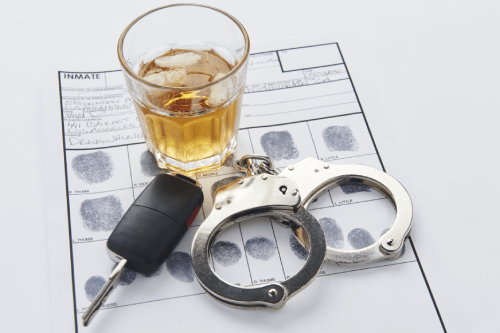
DUI is a serious offense in Pennsylvania. The Pennsylvania Department of Transportation Driver & Vehicle Services reports first-time offenders can be charged with up to $300 in fines, be required to obtain alcohol treatment, and be placed on probation for six months. Those with prior convictions potentially face years behind bars and five-figure fines. A DUI conviction could also lead to long-term consequences that affect your ability to find a job and housing.
Pennsylvania criminal lawyer Brian Zeiger is here to help if you are facing DUI charges. Our team knows what prosecutors look at in DUI cases and how to protect your rights after a Philadelphia DUI arrest. We discuss the top factors that lead to DUI convictions in Pennsylvania.
What Is the Biggest Factor that Contributes to a DUI Conviction?
Two major factors determine the penalties for a DUI in Pennsylvania: the driver’s blood-alcohol content (BAC) at the time of the alleged offense and any prior convictions.
Under Pennsylvania Statutes Title 75 Pa.C.S.A. Vehicles § 3802, driving is a crime if you have consumed alcohol to the point that it affects your ability to operate a vehicle safely.
One primary way police establish intoxication is by measuring the body’s blood alcohol content, or BAC. Operating a vehicle with a BAC of 0.08 percent or higher is an offense known as DUI per se. The prosecution has the burden of proving the defendant was driving, and they were unfit to operate a motor vehicle safely because of a substance in their body. Suppose a person has a BAC in the range of any of the tiers below. In that case, the prosecutor does NOT have to prove the driver was unfit because the statute says the driver is presumptively unfit to operate the motor vehicle.
The Commonwealth lists the following tiers based on the driver’s BAC:
- Lowest tier – BAC of 0.080 to 0.099 percent
- High BAC – BAC of 0.100 to 0.159 percent
- Highest BAC – BAC of 0.160 percent and higher
A person with a BAC below the lowest tier can still be arrested and charged with DUI under the general impairment offense. However, the prosecutor has the full burden of proving the person was unfit to drive, but there is no presumption of impairment that applies. The prosecutor must prove beyond a reasonable doubt the driver was unfit to operate a vehicle.
The penalties become more severe with higher BAC levels. Drivers who have prior DUI convictions also face stiffer penalties.
Surprising Reasons You Can Face DUI Charges
Law enforcement officers must suspect a driver has committed a crime or violated a traffic law before they can stop a driver. Many drivers who face DUI charges were initially stopped for simple offenses such as:
- Speeding
- Running a red light or stop sign
- “Rolling stops” at an intersection
- Unsafe lane changes
- Following too closely
Under 67 Pa. Code § 77.24, the officer must observe the driver for at least 20 minutes or have a reasonable, articulable suspicion the driver is intoxicated before they can request a breath test. There are several reasons, other than impairment, why a test may incorrectly indicate a driver is impaired, such as:
- Medical conditions such as acid reflux, kidney problems, or diabetes
- The consumption of certain foods or drinks
- Chemical tests completed more than two hours after the defendant drove
- Footwear, uneven roads, or communication problems (for field sobriety tests)
- Incorrect administration of tests or lack of calibration of testing machines
- Mistakes in storing or testing samples
Know Your Rights
Knowing your rights is essential to protecting your freedom if you face DUI charges in Pennsylvania. These rights include:
- The right to refuse a field sobriety test (though you must submit to a chemical blood test or risk an automatic driver’s license suspension)
- The right to remain silent
- The right to an attorney
- The right to know the charges against you
- The right to protection from unreasonable or illegal searches
The best way to protect your rights in a DUI case is to hire an experienced criminal defense lawyer. Attorney Brian Zeiger is prepared to work tirelessly to protect your rights and reduce the consequences of a DUI arrest. Contact our firm today for a free consultation.